AVATAR AND DOWNTOWN MOVIE THEATERS

I have been an avid film buff since my Mom took me to see Anchors Aweigh in 1945. Though I liked James Cameron’s Terminator 2, one Alien was more than enough for me and I could not bring myself to see Titanic. Cameron, in my book, did not belong in the same league as Lean, Ford, Hawks, Lubitsch, Capra, Wilder, Spielberg, Cukor, Hitchcock, Coppola, Scorsese et al.

But, on Christmas Eve I went to see Cameron’s latest, Avatar, a 3D film, in all of its glory on an IMAC screen. I went despite my opinion of Cameron as a film-maker/director because I have been reading that the latest 3D technology would be the savior of movie theaters against the growing trend for people to watch films on their home TV screens, laptop computers and even small mobile devices such as iPods. I was particularly interested in how the 3D technology might impact on downtown movie theaters, many of which are relatively small, with fewer screens and less able to support badly needed investments. The primary question I brought to my viewing of Avatar was: Could the 3D technology produce a movie experience that was so unique that it could draw people off their couches or away from their handheld devices and back to movie theaters – especially those in downtowns?

Avatar plain blew me away! It is a watershed in movie-making and one of the most impressive films I’ve seen since Lawrence of Arabia. Watching it you keep asking yourself what kind of mind conjured this reality up and what technologies are putting it on the screen so realistically and so competently? Your immersion into a totally strange, yet coherent, detailed and comprehensive new world is staggering – so much so, that the storyline, which is too often hokey and filled with 60’s political stances, seems acceptable. I intend to see Avatar on a regular 3D screen to determine how much of this impact was due to the huge IMAC screen and the immersive experience it supports, though published film reviews also report about the strong, unique viewing experience Avatar generates on normal 3D screens.

Avatar definitely created a type of experience that I would abandon my easy chair and ignore the four full length films on my iTouch to enjoy again in other movies shown at my local cinema.

However, this experience may be due as much or more to computer-generated, special effects that are not 3D related. For example, the Na’vi, a humanoid race at the core of the film, are completely realistic, with little evidence of contrivance. The biggest grossing movies for the last 10 years (Transformers 2, The Dark Knight, Spider-Man 3, Dead Man’s Chest, Revenge of the Sith, Shrek 2, Return of the King, Spider-Man, Harry Potter / Sorcerer’s Stone, The Grinch) all were either heavy on computer generated special effects or computer animated. These movies are costly and studios are making about 15% fewer films than last year, probably as a result.
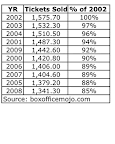
The studios’ emphasis on big budget, high tech films that are sequels or remakes increased attendance at movie theaters in 2009 by close to 8%, according to data published by boxofficemojo.com. With recession restrained ticket prices remaining steady, box office receipts increased by about the same magnitude as attendance. That would place 2009 as the fifth highest in attendance over the past 10 years, still 8% less than the peak in 2002.

It appears that evidence is starting to accumulate indicating that downtown theaters that can show films using 3D and other digital special effects technologies will be able to compete with home theaters and personal film viewers such as the iTouch and iPhone.

But, I doubt that 3D or other digital special effects can be used to enhance the viewing experience for movies such as Casablanca, The Maltese Falcon, On The Waterfront, A Streetcar Named Desire, Annie Hall, The Godfather or the vast majority of lower budget films such as Juno, Education and It’s Complicated, that have recently been turned out by independent production companies. The “indy” films have been a source of strength to some of the most successful movie theaters in large urban neighborhoods and medium-sized downtowns. The audiences at these often packed theaters are overwhelmingly composed of the almost 25 million Americans aged 55 or more who go to the movies every year.

But, the competition is also getting stronger. High tech innovations are also increasing the lure of home entertainment equipment. Tim Bajarin, of Creative Strategies, who I think is the best in the business on computer related markets, sees 3D television taking hold soon, while DVDs rapidly are being displaced by on-demand streaming of movies. (See: PC Mag Article Here).

Consequently, I think that downtown cinemas need to not only be capable of digital projection and showing 3D films, but they also need to:

  • Make watching a movie with others in an audience a very pleasurable and therefore desirable experience. This not only means clean and comfortable seats, clean floors, good sound equipment, etc., but the enforcement of rules that are absolutely intolerant of patrons acting without civility to those around them
  • Integrate the movie-going with unique eating and drinking opportunities such as a quality restaurant, a coffeehouse, a first-rate ice cream parlor or a brew pub
  • Court and pamper the 55 year old + audience. It has accelerating growth.

N. David Milder
Teenage Retail Market Update

This is a follow up to my 3/10/09 and 4/24/09 posts on this subject.

Same store sales in November 2009 reported by retailers specializing in clothing and accessories for teenagers showed a 7.8% yr2yr decline, making it the worst performing retail sector.

Even Hot Topic, a former high flier, had a double digit drop, while Abercrombie & Fitch had its 19th straight month of reduced sales revenues.


The Bureau of Labor Statistics puts the current teenage unemployment rate at 26%.
With fewer jobs and mommy and daddy being more careful with their dollars, teenagers have a lot less money to spend.

See the article by Stephanie Rosenbaum, “Recession? Teenagers Get It and Are Cutting Back” on NYTIMES.com, December 26, 2009.

Repositiong For The Future During The Great Recession: The Bayonne Town Center

This posting was updated on 12/10/09.
 

Bayonne, NJ is the kind of place that folks form deep attachments to. Even when they move away or find another workplace, those warm feelings remain.

Last week I had lunch in Bayonne with an old friend and colleague, the city’s planner. It had been almost a year since I was last in the Bayonne Town Center and I was eager to see how it had held up during the Great Recession. After walking around the district for about an hour and a half, taking photos and shopping in some of the new stores, I was impressed by what I saw. Here was a perfect example of a downtown that, while experiencing higher than usual vacancies, was repositioning for the future by working to attract and create strong new assets.

Back home, I quickly sent Mary Divock, the district manager, an email message saying:

“…during the Great Recession the Town Center managed to make some really strong retail additions that will be even more important as the economy improves. I have attached snaps of the stores I feel are good additions. Most other downtowns I’ve visited recently cannot say the same. You should be proud.”

Here are some of the things I found:

  • A new and popular green grocer
  • ShopRite, located very close to the district, has doubled its size to 70,000 SF. I am hopeful that the district will be expanded to include the ShopRite and other nearby establishments. See: Article
  • A new shop featuring silver products had opened
  • So had a hearing aid shop
  • Another firm featuring medical equipment had moved from a side street to Broadway
  • GameStop and Petland had opened. According to a report in the Leisure eNewsletter, between 2007 and 2008, nationally, annual household expenditures for pets, toys, hobbies, etc. increased by almost 26%
  • Plans for a nursing home, across from the Bayonne Medical Center, with Class-A retail space on the ground floor had obtained city approvals
  • Plans for adding 14 residential units and renovating the store facades on an existing building were proceeding and there are expectations that some other buildings may follow suit
  • There were more than normal vacancies, but really not that much more and certainly their perceived impact was more than offset by all the new shops. As the economy improves the vacancies will ebb, but the new shops will only get stronger.

After my visit I learned that with the bottoming out of the economy merchants were again applying to participate in the BTC’s Jump Start Facade Improvement Program.

Here are some relevant photos:

Backdoor Retailing

My October 29, 2009 posting on the new normal for downtown retailing prompted a number of requests for additional information about “backdoor retailing.” I am very happy to comply since, for some time now, that has been a topic I have wanted to write about, but just never got to.

Advantages and Disadvantages

Downtown merchants with backdoor operations have two customer streams and revenue sources. First are the walk-in shoppers they draw from the downtown’s pool of visitors. Every downtown business can draw from this visitor pool. Firms with backdoor operations also:

  • Sell to local businesses, organizations and even municipal agencies. These transactions and relationships fit in well with downtown sustainability strategies.
  • Sell to consumers, but out of their stores, and independent of walk-in traffic.

My observations suggest that firms with significant backdoor operations are usually stronger and stay in business longer than other firms in their downtowns. Moreover, these merchants are not inclined to passively sit on their duffs and just wait for shoppers to come to them, but they are more inclined than other merchants to be savvy about social marketing, both face – a -face and online (the subject of a future article).

This is not to say that they are untouched by economic downturns, as restaurants in NYC with large corporate catering businesses have recently demonstrated. In addition, the reduced dependency on downtown customer foot traffic potentially makes these firms less tied to their downtown locations as their backdoor operations grow. However, favorable downtown quality- of- life conditions can reduce the proability that they will actually relocate.

Traditional, Non-electronic, Backdoor Operations

Today, there are electronic and non-electronic variations on backdoor operations. But, the best way of conveying what these operations are like is to provide some examples of the traditional, non-electronic variety:

  • A retail tobacco shop in downtown Rutland, VT, that also was a distributor of tobacco products to merchants in Rutland and the surrounding region
  • A vitamin shop on Bergenline Avenue in West New York, NJ that both manufactured and distributed vitamins to merchants in the region
  • Paint stores in Englewood, NJ and West New York, NJ that have very large building contractor clienteles
  • A women’s clothing shop that took its wares to model and sell at local women’s clubs, PTAs, etc. (Unfortunately, while I remember reading about this on the web, I can’t find the citation in my files.)
  • Sporting goods shops here in Kew Gardens, NY and elsewhere that sell equipment to sports teams, leagues and schools
  • The plethora of restaurants in most downtowns doing off site catering
  • The Carvel in Bayonne, NJ – and I image elsewhere — that sell desserts to local schools, social clubs, etc.
  • A bakery in Woodbury, NJ, that supplied many local eateries with donuts, danishes, etc.
  • A well-known fish market in Maplewood, NJ that supplies over 40 restaurants
  • Nevada Meat Market that supplied many restaurants in Manhattan
  • A fruit and vegetable shop in Kew Gardens, NY that supplied local restaurants

Many downtown service operations also have backdoor components:

  • A dry cleaner in Kew Gardens does uniforms and work clothes for businesses throughout NYC
  • An upholstery shop in Washington, NJ that does work for well-known furniture stores in Northern New Jersey
  • Some hair salons and barber shops that serve non-ambulatory clients in their homes, nursing homes and hospitals

This list of examples of back door operations, though limited in length, is sufficient to show the broad gauge of their potential– and that such operations are certainly not confined to food products.

Online Backdoor Operations

The internet has brought a new dimension to backdoor operations. Merchants that have online storefronts with shopping carts and actual sales are engaging in electronic backdoor operations. The individual shoppers need not ever come to their stores. They are not walking in from the street. They may live in different states or even other nations and never have visited the merchant’s downtown.

On a more modest scale eBay allows downtown merchants to sell online a few items or groups of items without having to create and maintain a storefront of their own.

According to reports in the media and from downtown managers, a properly functioning web store can definitely strengthen some downtown merchants. I have seen a women’s apparel shop thrive because of their online store and I know of a collectables shop that survived through tough times because of its eBay sales.

But some perspective is needed here. Foremost, online sales make up only about 4% of retail sales. Also, most of our downtowns fall in the small and medium-size category and the overwhelming majority of their shops have modest annual sales revenues and very small staffs. Many of them may be able to create and maintain an inexpensive, uncomplicated website that provides simple information about the shop, its location and the types goods and services it sells. That might help drive some more customers into their shops. However, most cannot mount, operate and maintain a web store. Keeping the online inventory current and product shipment too often become killer tasks for small merchants. Some can do better by selling in a controlled manner on eBay. Most are probably best off not attempting electronic backdoor operations because they lack the computer skills, staff and money needed to succeed.

Cultivating More Backdoor Operations – Planting The Seed And Networking Local Businesses

While most merchants will not develop backdoor operations, my sense is that most downtowns have the potential for doubling or tripling their number. Over the years, my informal discussions with merchants suggest that more of the innovative types would try to develop backdoor operations if they simply had thought about them. This suggests that seeding the idea in the minds of the right merchants and then perhaps hooking them up with district merchants who already have successful backdoor operations might be a fairly simple and low cost way of starting to make it happen. Face to face meetings are probably a sure way to go. A low key workshop also would probably produce results – if the right merchants attend.

Also, a good starting point for many merchants is to explore what they could sell to the other businesses and organizations located in or near to their downtown. Downtown organizations can provide real help here by developing a “matchmaker” role. For example, the Long Island City Business Development Corporation’s staff has developed a role of matching the needs for goods and services of their district’s industrial firms with local suppliers.

The Takeaway

Increasing the number of strong stores is always an important objective of a sensible downtown organization. Growing the number of firms with backdoor operations can help make that happen. It should be an essential cog of your organization’s business retention program.

N. David Milder

Slot Car Racetrack Update

In a June 2006 posting I described how the staff of the Bayonne Town Center worked with Vincent Margiotta of Pastime Hobbies to bring slot car racing to the district’s car shows.

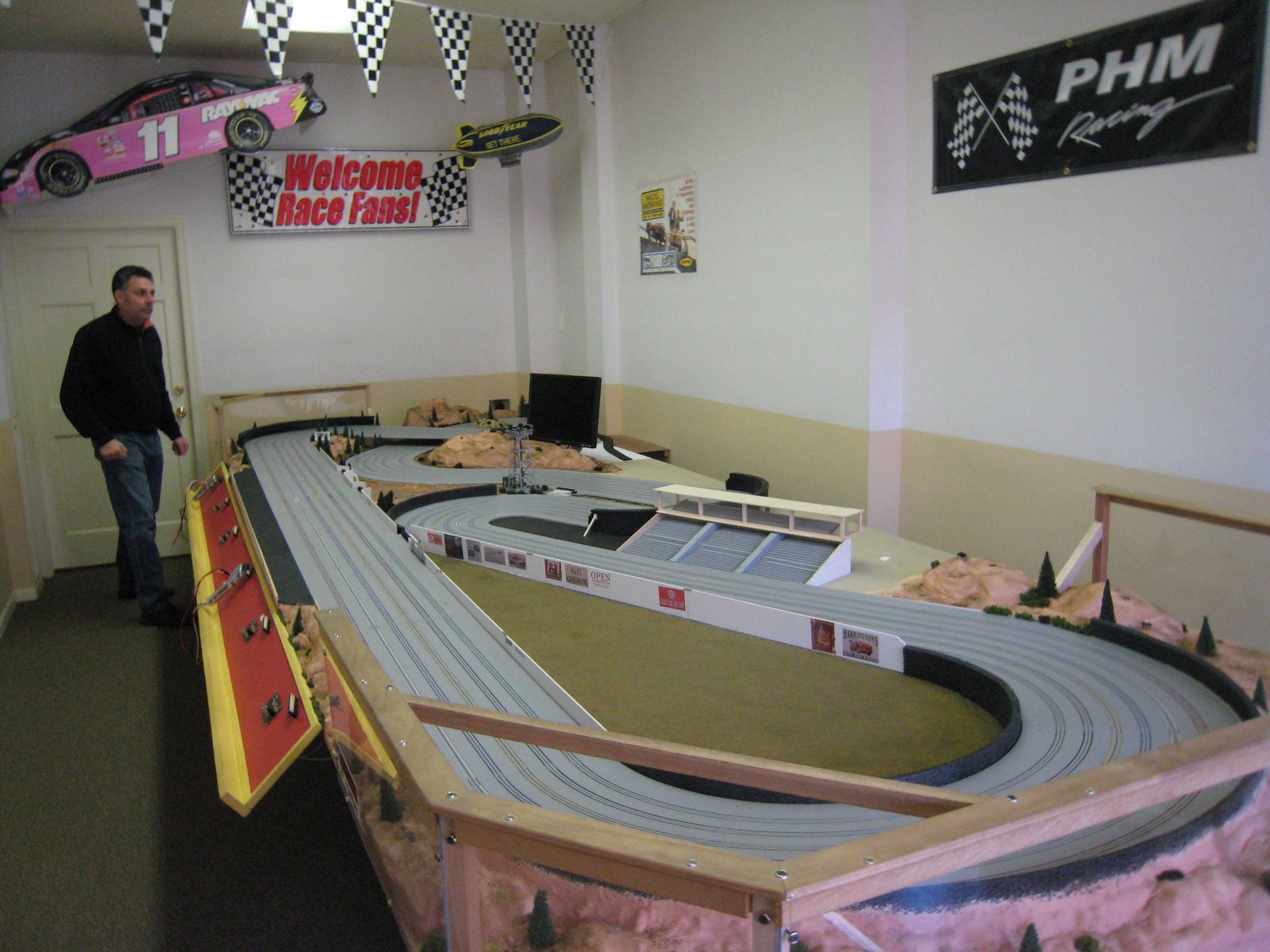
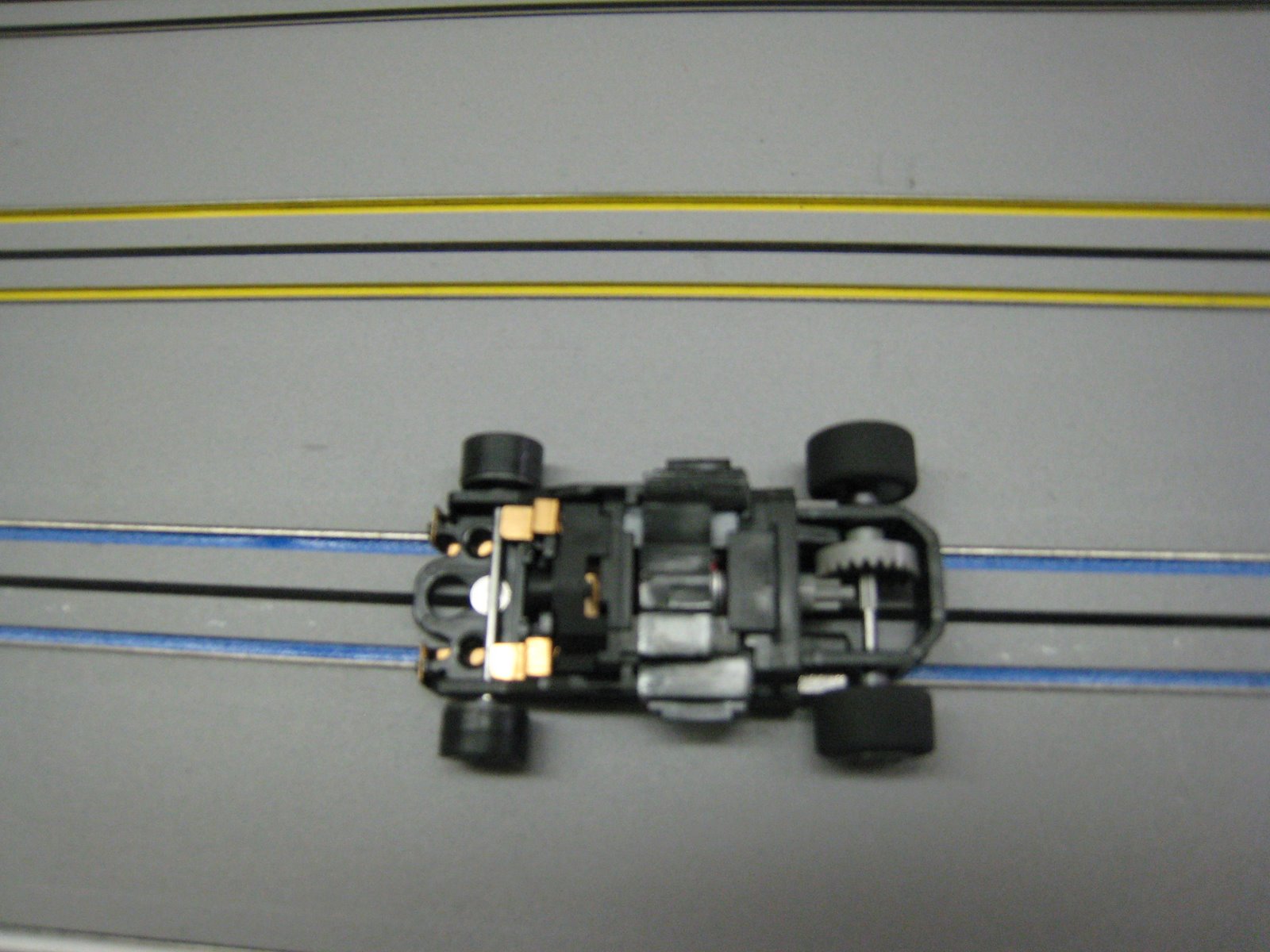
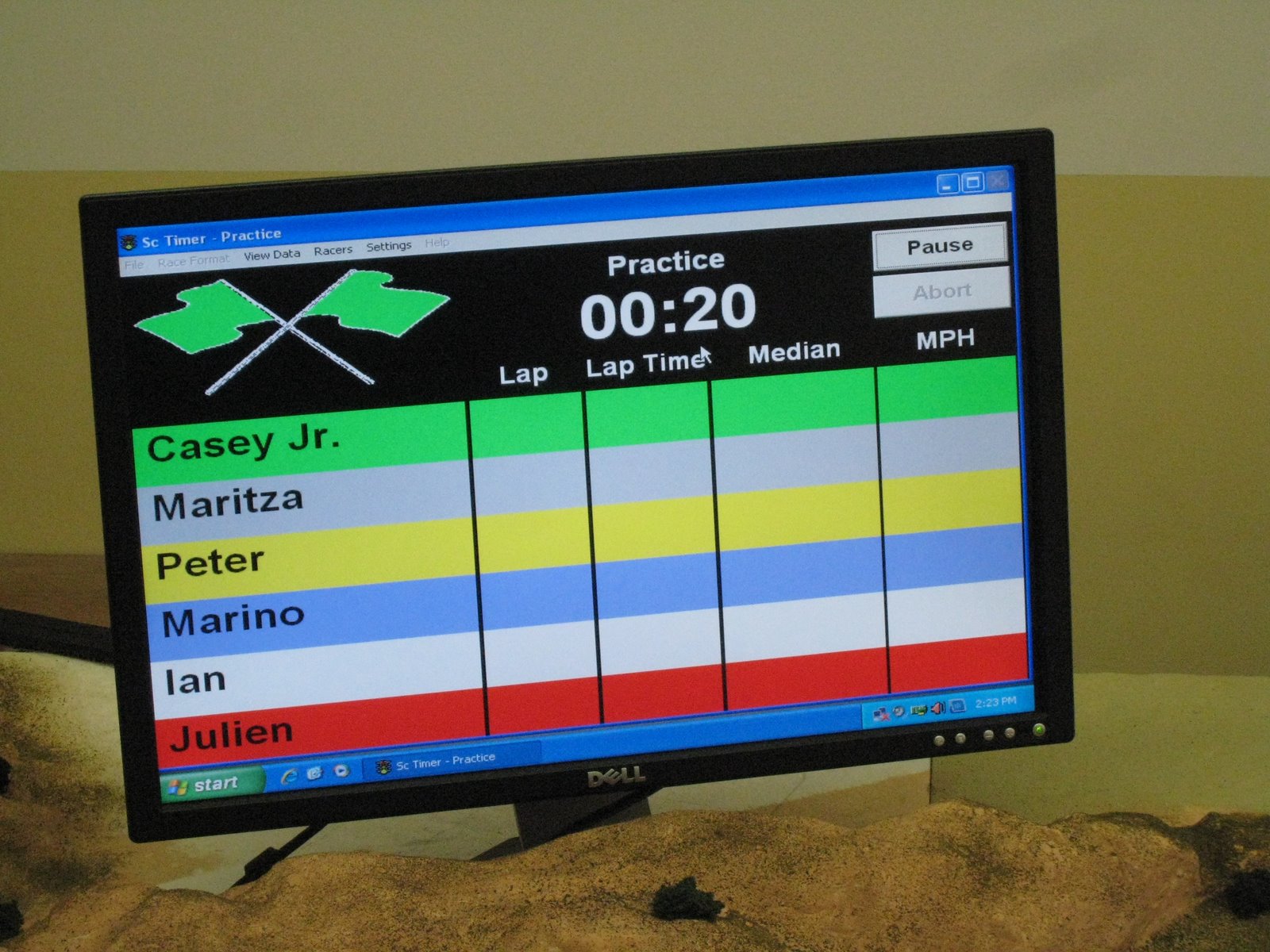
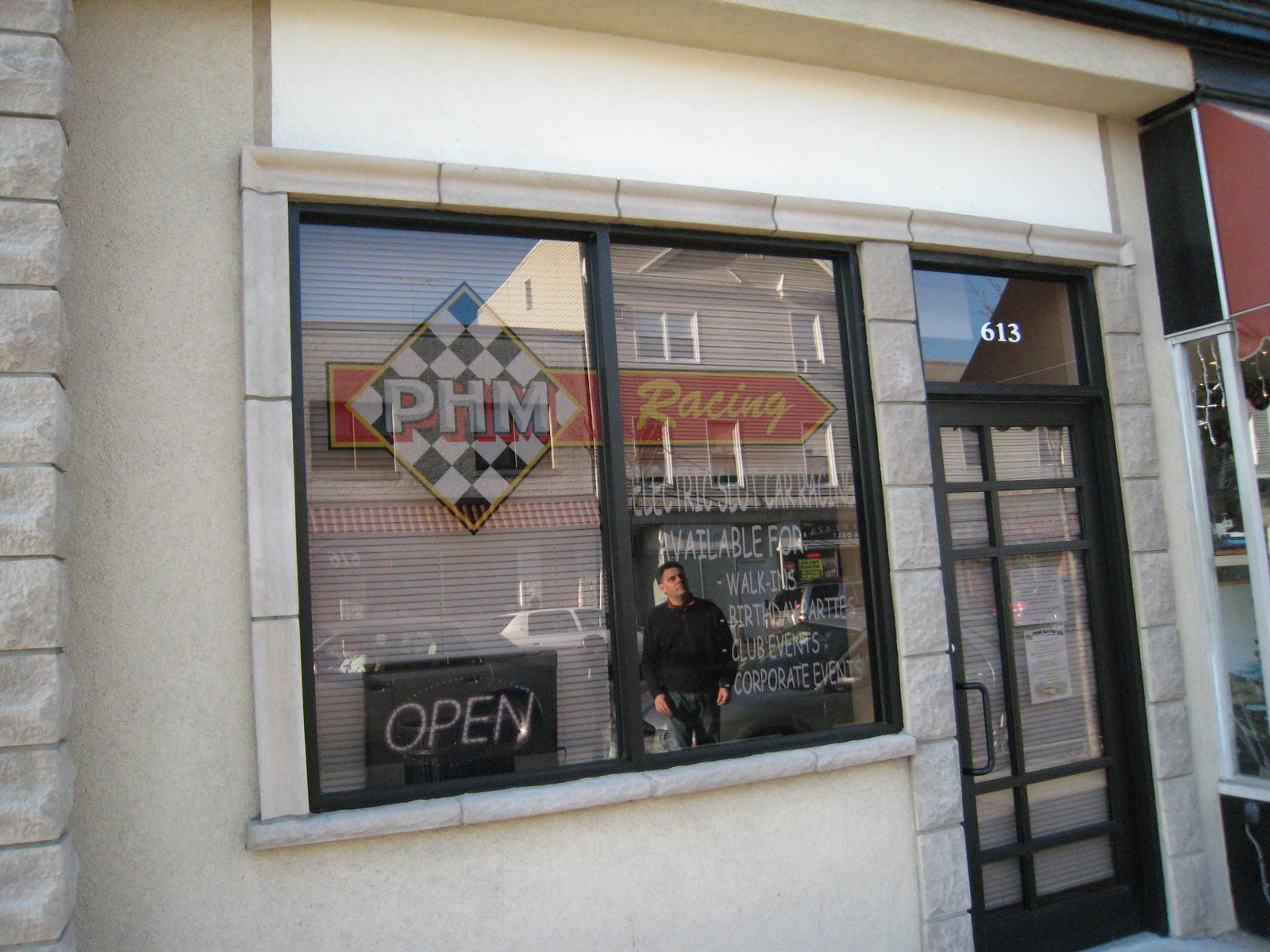
The slot cars now have graduated to their own venue, PHM Racing, next door to Pastime’s shop. There is a larger and more sophistcated layout, where four cars can race, an electronic score board and even real racetrack sponsors.

At the heart of this operation is a slot car racing club. Members pay annual dues. Parents usually accompany their youngsters as the latter participate in club racing events.

The race track can also be rented for parties. Walk-in slot car racing enthusiasts are also accommodated.

Margiotta claims the slot cars are able to draw
youngsters away from their computers and phones and out of their houses.

Entertainment opportunities like this will be increasingly important in small- and medium-sized downtowns

Posted by Picasa