The Arc of a Niche: The Bowery’s Home Lighting Niche

The key intersection for The Bowery’s home lighting niche, which is about 50 years old.


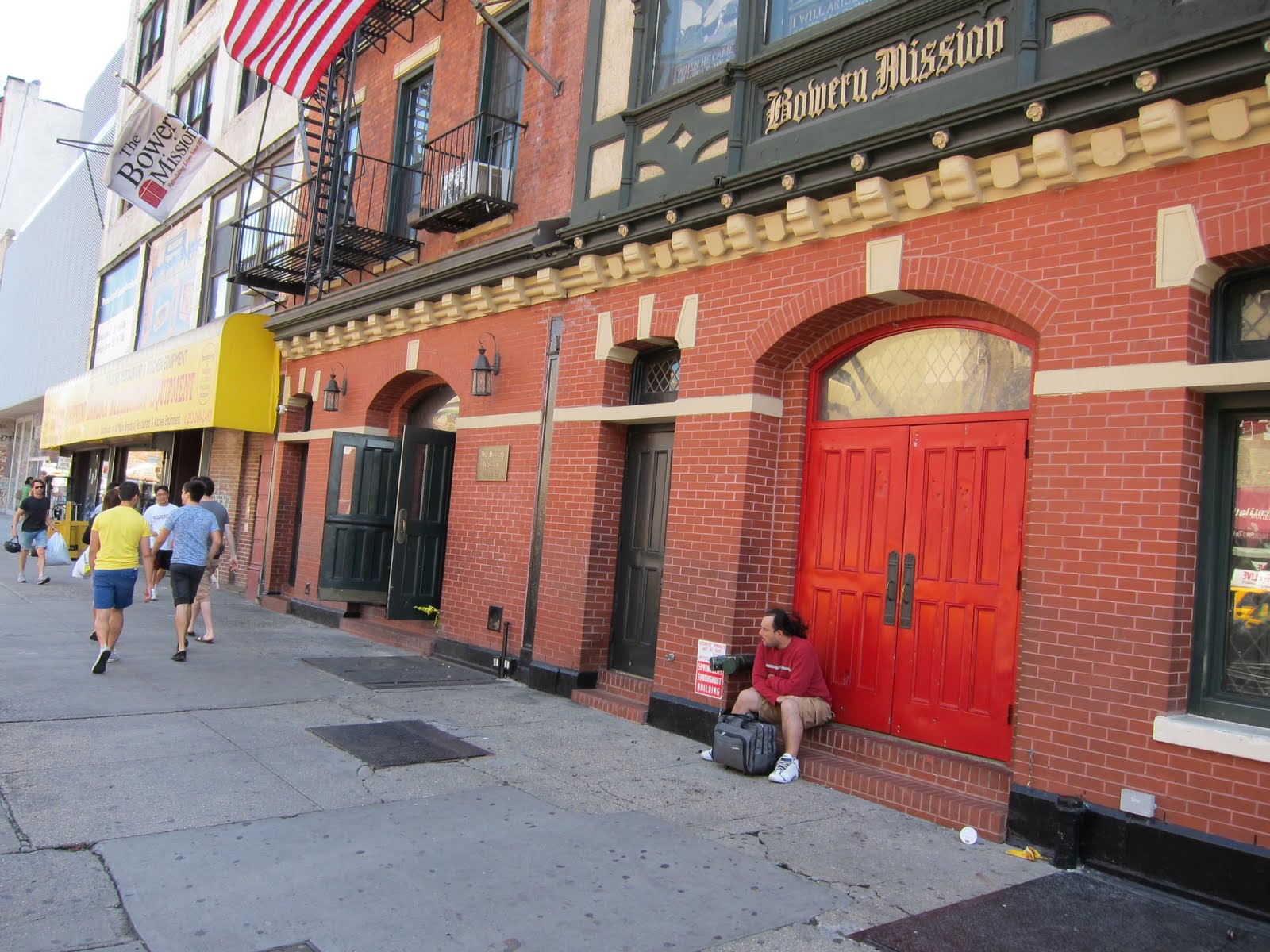
The Bowery Mission, a remnant of a famed, if unsavory, past


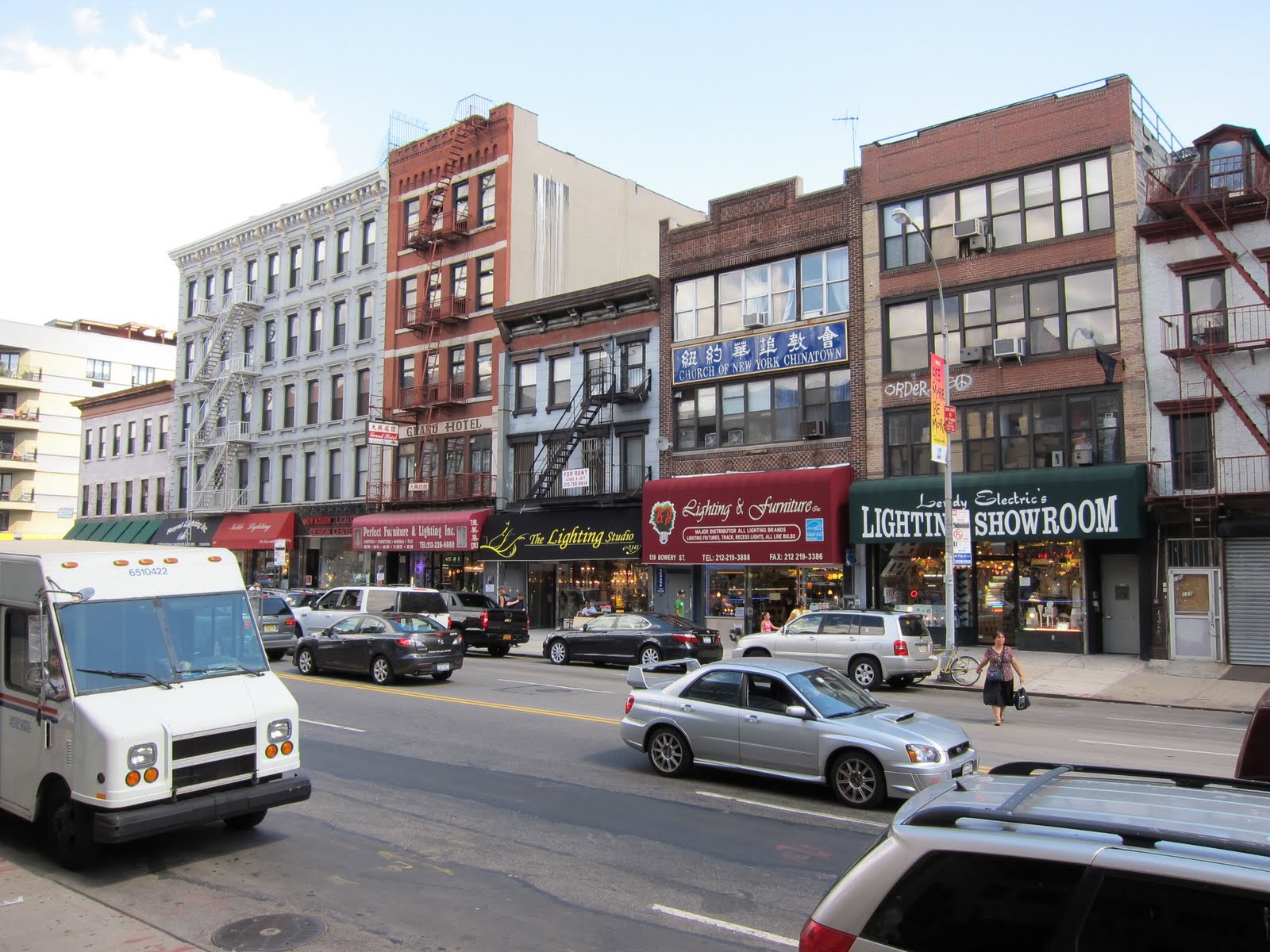
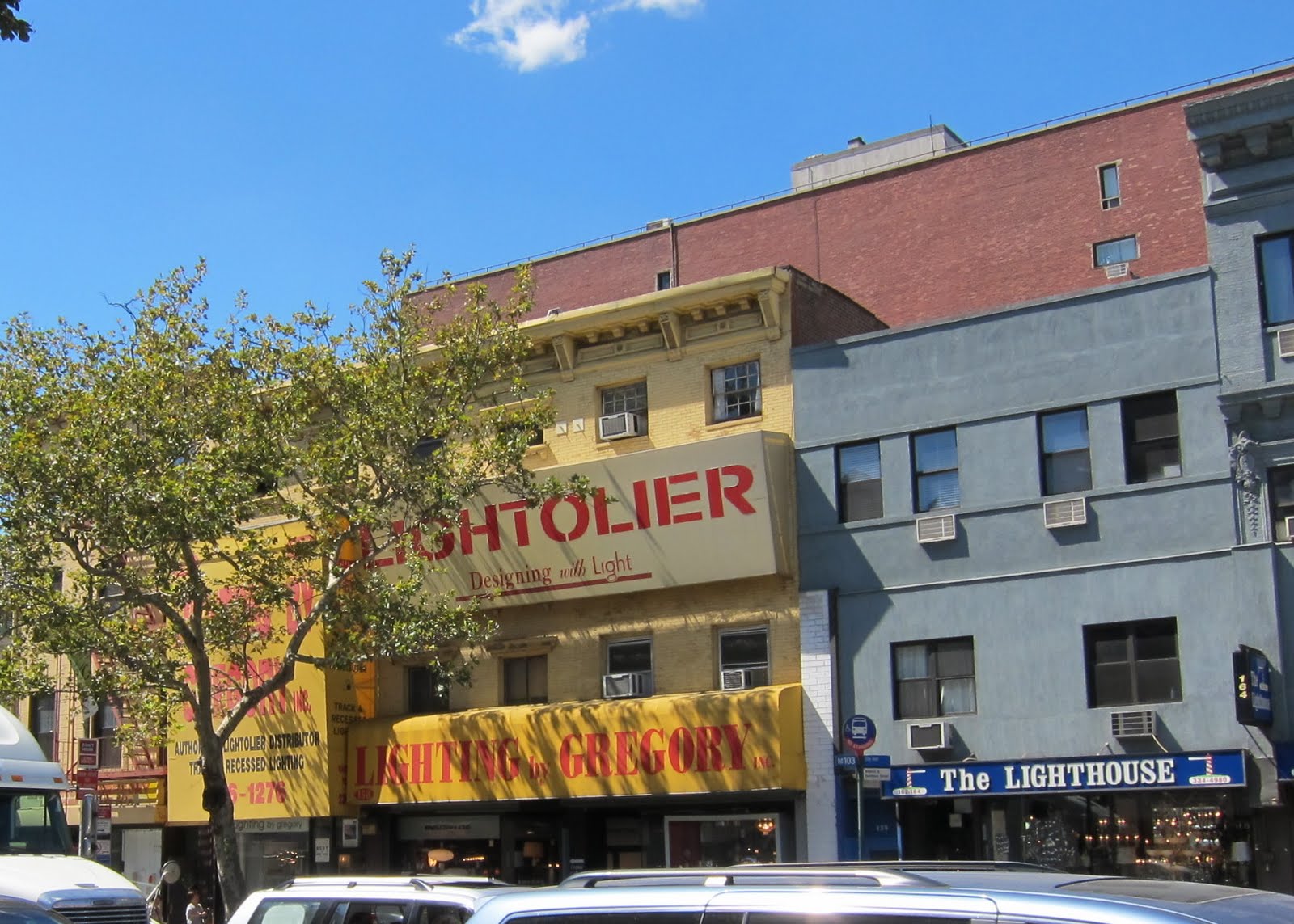
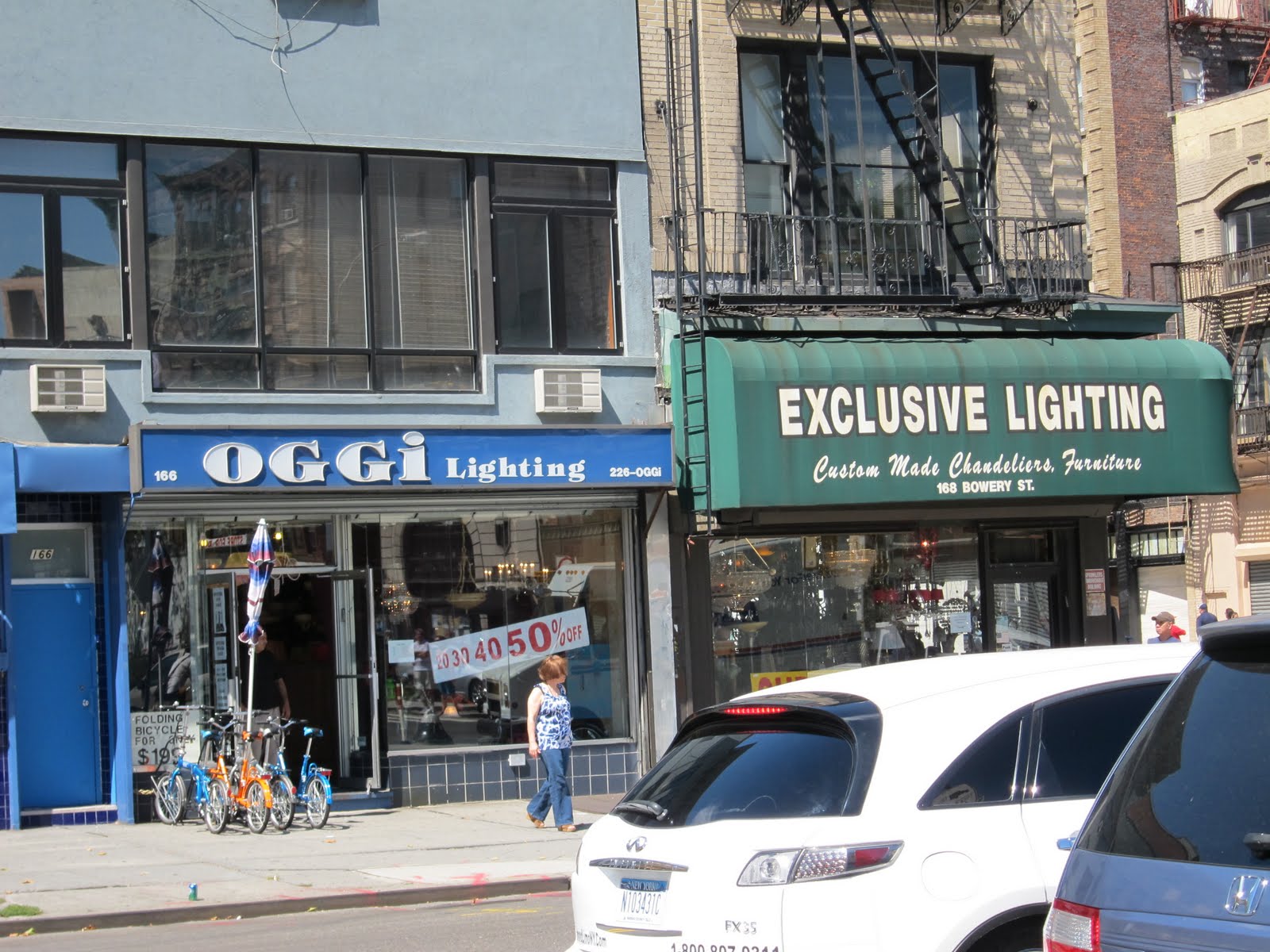
Some home lighting shops on The Bowery 1 


Some home lighting shops on The Bowery 2


Some home lighting shops on The Bowery 3 


My initial thinking about retail niches was greatly influenced by my experiences shopping for antiques in Waynesville, OH and for lamps in shops along The Bowery in Lower Manhattan. It has been almost 50 years since I made my initial visits to these places. Their antiques and home lighting niches still exist, though they have changed over the years. 

 
Waynesville is about 600 miles away, so I have not been there in many years. But, a few years ago, I did some telephone interviews. Though the antiques niche there reportedly remains strong, it has changed because the industry as a whole has changed. Two significant changes are: 1) a lot of merchandise is sold on consignment in large antique malls, where the dealers do not have to be personally on site and 2) internet sales.
 
The Bowery is much closer to home, about an hour away via public transportation.  When I first visited the area, back in the 1950s, it was best known for its run down bars with cheap drinks, poor alcoholics down on their luck and a collection of flop houses. When I next returned to the area in the 1960s it was to look for lamps in a cluster of home lighting stores. By the late1980s,  this home lighting niche had grown enormously, with most shops between Houston Street and Canal St seeming to sell home lighting merchandise. On a visit in the 1990s I estimated there were between 75 and 100 ships in this niche. My wife and I felt that too many them appeared to be indistinguishable from each other in size and merchandise and that consequently the whole niche seemed less attractive.
 
Since then the neighborhood has changed significantly. Property values have increased and so have the commercial rents. The Bowery is showing signs of gentrification. The cheap bars and SROs are long gone. Chinatown has expanded enormously. 
 
The merchants have also changed. The number of home lighting shops is now back down to about 20 and they are clustered on a two block stretch going south from Delancey Street. A restaurant kitchen equipment niche has emerged.
 
The largest and best known home lighting shops are among those that remain. Though much reduced in numbers, the niche is still relatively strong. A 50 year run is not bad for a retail niche and it certainly is not yet over. The niche remains a regional draw for shoppers looking for home lighting.
 
I hypothesize that the contraction of this niche was due to a collection of factors:
  • Rents became unaffordable for most of the small, marginal shops. Given the huge increases in Manhattan’s retail rents it is doubtful that the borough will ever again see a retail niche of the size this home lighting niche reached.
  • Some shops just aged out — the owners retired and their businesses ended with their departures
  • Too many of the shops could not differentiate themselves except on price — and many could not afford to compete in this manner
  • A new niche was competing for the available retail spaces.

It is also fair to say that this niche has helped revitalize a badly decayed, disreputable area.


Movies Update

For several years now, I have been arguing that the average downtown movie theater is in trouble as more and more people watch more and more films at home or even on their mobile devices. To counter this trend I have encouraged downtown theaters to rekindle “going to the movies” as a special occasion by adopting modern digital, 3D and IMAX projection systems and/or by integrating their cinemas with a restaurant, brew pub or ice cream parlor.

An article in today’s Wall Street Journal shows that 3D and IMAX are indeed having a positive impact on attendance:

  • “After a record-shattering year of revenues last year, when the box office soared beyond $10 billion for the first time in history, revenues are running about 10.3% ahead of the same point last year, with attendance up by more than 8%.”
  • “3-D has helped boost those figures. Last weekend, some theater owners significantly raised ticket prices—mostly on 3-D and Imax showings. In some cases, the price increases ran as high as 26%.”
  • “Consumers, so far, don’t seem to mind the higher prices, as long as they come with premium experiences.” And we are still climbing out of the Great Recession!

Article Here

AVATAR AND DOWNTOWN MOVIE THEATERS

I have been an avid film buff since my Mom took me to see Anchors Aweigh in 1945. Though I liked James Cameron’s Terminator 2, one Alien was more than enough for me and I could not bring myself to see Titanic. Cameron, in my book, did not belong in the same league as Lean, Ford, Hawks, Lubitsch, Capra, Wilder, Spielberg, Cukor, Hitchcock, Coppola, Scorsese et al.

But, on Christmas Eve I went to see Cameron’s latest, Avatar, a 3D film, in all of its glory on an IMAC screen. I went despite my opinion of Cameron as a film-maker/director because I have been reading that the latest 3D technology would be the savior of movie theaters against the growing trend for people to watch films on their home TV screens, laptop computers and even small mobile devices such as iPods. I was particularly interested in how the 3D technology might impact on downtown movie theaters, many of which are relatively small, with fewer screens and less able to support badly needed investments. The primary question I brought to my viewing of Avatar was: Could the 3D technology produce a movie experience that was so unique that it could draw people off their couches or away from their handheld devices and back to movie theaters – especially those in downtowns?

Avatar plain blew me away! It is a watershed in movie-making and one of the most impressive films I’ve seen since Lawrence of Arabia. Watching it you keep asking yourself what kind of mind conjured this reality up and what technologies are putting it on the screen so realistically and so competently? Your immersion into a totally strange, yet coherent, detailed and comprehensive new world is staggering – so much so, that the storyline, which is too often hokey and filled with 60’s political stances, seems acceptable. I intend to see Avatar on a regular 3D screen to determine how much of this impact was due to the huge IMAC screen and the immersive experience it supports, though published film reviews also report about the strong, unique viewing experience Avatar generates on normal 3D screens.

Avatar definitely created a type of experience that I would abandon my easy chair and ignore the four full length films on my iTouch to enjoy again in other movies shown at my local cinema.

However, this experience may be due as much or more to computer-generated, special effects that are not 3D related. For example, the Na’vi, a humanoid race at the core of the film, are completely realistic, with little evidence of contrivance. The biggest grossing movies for the last 10 years (Transformers 2, The Dark Knight, Spider-Man 3, Dead Man’s Chest, Revenge of the Sith, Shrek 2, Return of the King, Spider-Man, Harry Potter / Sorcerer’s Stone, The Grinch) all were either heavy on computer generated special effects or computer animated. These movies are costly and studios are making about 15% fewer films than last year, probably as a result.

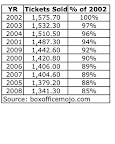
The studios’ emphasis on big budget, high tech films that are sequels or remakes increased attendance at movie theaters in 2009 by close to 8%, according to data published by boxofficemojo.com. With recession restrained ticket prices remaining steady, box office receipts increased by about the same magnitude as attendance. That would place 2009 as the fifth highest in attendance over the past 10 years, still 8% less than the peak in 2002.

It appears that evidence is starting to accumulate indicating that downtown theaters that can show films using 3D and other digital special effects technologies will be able to compete with home theaters and personal film viewers such as the iTouch and iPhone.

But, I doubt that 3D or other digital special effects can be used to enhance the viewing experience for movies such as Casablanca, The Maltese Falcon, On The Waterfront, A Streetcar Named Desire, Annie Hall, The Godfather or the vast majority of lower budget films such as Juno, Education and It’s Complicated, that have recently been turned out by independent production companies. The “indy” films have been a source of strength to some of the most successful movie theaters in large urban neighborhoods and medium-sized downtowns. The audiences at these often packed theaters are overwhelmingly composed of the almost 25 million Americans aged 55 or more who go to the movies every year.

But, the competition is also getting stronger. High tech innovations are also increasing the lure of home entertainment equipment. Tim Bajarin, of Creative Strategies, who I think is the best in the business on computer related markets, sees 3D television taking hold soon, while DVDs rapidly are being displaced by on-demand streaming of movies. (See: PC Mag Article Here).

Consequently, I think that downtown cinemas need to not only be capable of digital projection and showing 3D films, but they also need to:

  • Make watching a movie with others in an audience a very pleasurable and therefore desirable experience. This not only means clean and comfortable seats, clean floors, good sound equipment, etc., but the enforcement of rules that are absolutely intolerant of patrons acting without civility to those around them
  • Integrate the movie-going with unique eating and drinking opportunities such as a quality restaurant, a coffeehouse, a first-rate ice cream parlor or a brew pub
  • Court and pamper the 55 year old + audience. It has accelerating growth.

N. David Milder

The New Normal for Downtown Retailing: I. Introduction

Across the board key Federal officials, renowned economists, and powerful business leaders agree that our Great Recession finally has bottomed out. The latest GDP data support this view. For downtown leaders this is a very appropriate time to ask: “What’s next?” Are we returning to the same challenges and opportunities downtowns faced prior to the recession? Or to conditions similar to those of the earlier parts of the decade? Or are we facing a “new normal”, with its own array of fresh challenges and opportunities that we must learn about and deal with?

The evidence points toward a new normal. Responding effectively to this situation will require some insightful, hard-nosed analysis and then a lot of innovative and practical problem-solving. This is absolutely not the time for puffed-up marketing, fluffy analysis or laissez les bon temps roulez attitudes, but there are still viable paths for growth and redevelopment.

Though much remains to play out (e.g., gasoline costs and consumption), in coming email blasts and postings to my Downtown Curmudgeon blog and DANTH, Inc’s website, I will start to detail some of the characteristics of this new normal. Among the topics I will discuss are:

  • The biggest single new factor that downtown merchants have to face is the rise of the “deliberate consumer.” Americans are poorer and feel less affluent. Consumer credit is harder to get and to keep. Also, the housing piggy bank is kaput. Shoppers are more value conscious, more calculating and less impulsive. They are still buying — but differently.
  • Capturing consumer expenditures now requires an even higher level merchant skill set than before the Great Recession
  • Increasingly important to this skill set is a “social marketing” component that has face-a-face and online dimensions
  • Downtown merchants will struggle to define what “value” means to the consumer – it does not always have to be low price
  • Many retail chains that liked downtown locations have either folded, been severely weakened or stopped putting new stores in downtowns. As a result, more than ever, the strength of a downtown’s retailing will depend on high quality independent merchants.
  • Baby Boomers are now retiring in increasing numbers, but are poorer, more frugal and finding it harder to sell their homes. Those that do “gray” our downtown residential projects will likely provide less lift for nearby retailers than previous “empty nesters”
  • Even after we climb out of the recession, doing downtown redevelopment projects as we did over the past 10 to 15 years will be far more thorny because of legal constraints, political challenges and difficulty in finding tenants and financing
  • A significant number of downtowns will have their growth constrained not only by malls or big box retailers, but also by nearby downtowns that already have been successfully revitalized
  • Young single knowledge workers have ignored and will continue to ignore living in most small and medium-sized downtowns. Some of these downtowns, however, are attracting artists and crafts people because of their comparative low costs, good quality of life and decent access to major arts markets
  • A surprising new factor: the luxury retail market will be weakened for some time to come, with diminished middle class “trading up” and “treasure hunting” shopping, and guilt constrained luxury buying. Also, significantly fewer at the top of the income ladder have a positive assessment of their personal finances – it is at the lowest level in 20 years. Many of the suburban “lifestyle downtowns” are vulnerable to the impact of this trend
  • Affordable luxuries will come back first. Larger mass luxury purchases requiring new credit lines will lag
  • Home and hearth niches will recover slowly following the housing market, with big ticket items lagging the most. Nevertheless, HDTVs, other “cocooning” related merchandise and children’s furniture will do relatively well.
  • It is far more difficult for downtown merchants to finance new locations, inventory, facade improvements, etc. Retailing will be stronger in districts where downtown organizations can help merchants cope with these problems
  • Low-price powerful warehouse retailers continued, even during the Great Recession, to increase sales and their market share. Downtown merchants have typically been poor at playing the low-price game. Big box and supermarket chains are more serious about rolling out smaller stores with a scale more appropriate for downtowns. Although contrary to their commitment to small independent local operators, should downtown leaders consider recruiting some small format, national, low price retailers?
  • Through the recession sales continued to increase for food away from home establishments. Downtown eateries that provide comfort food, good value, friendly service and a venue for friends and family to meet will continue to do well. Their strength also shows the continued importance of convenience and quality family time for dual income households and those with children
  • Non-comparison, convenience retail has been a steady rock for the vast majority of downtowns – e.g., food markets, drug stores, etc. – and will continue to be in the foreseeable future
  • There has been a significant decline in Americans’ participation in the arts, especially attendance at legitimate theaters, concert halls, museums, art galleries, etc. The recession deepened, but did not induce the decline. The audiences for these arts venues have become significantly older. Middle and lower income and younger folks are increasingly “cocooning” and consuming arts performances at home electronically.
  • Shops and restaurants that featured locally grown or produced products tended to fair much better than others during the recession and they will have increasing strength as the economy improves and the sustainability movement gains traction
  • Though online retail sales tanked more on a percentage basis during the recession than regular retail sales, “backdoor retailing,” both electronic and brick, will increasingly define successful downtown merchants
  • Ethnic downtowns did comparatively well during the recession. They will continue to fare relatively well because of population growth, upward mobility, unique sourcing of merchandise, language and cultural affinity. Also, they provide access to dense populations for many retail chains that see ethnic markets as untapped growth opportunities
  • More and more communities want downtown commuter rail stations. These stations will be cornerstones for strong downtowns – and their retailers
  • Another and perhaps most important cornerstone will be establishing the downtown as the community’s central social district with well activated and attractive public spaces and popular eateries having pivotal roles


Your comments are welcome.

N. David Milder

Apparently, The Recession Is Not Saving Movie Theater Attendance

In past blog postings I have argued that movie theater attendance is being significantly eroded by the growing ease of watching movies at home, where — as a Pew survey showed – Americans now watch most of their movies.

But in the first three months of 2009 attendance jumped 13% over the previous year and observers in the news media were claiming that depressions and recessions induce higher movie theater attendance as folks are looking for affordable entertainment. In an April 18, 2009 posting, I cautioned against jumping on this analytical bandwagon, noting that movie attendance in 2008, definitely a recession year, was the lowest since 1997.

More recent attendance data, as reported in an article in the Wall Street Journal, (see:Lauren Schuker, “Summer Box-Office Sales Cool Down – WSJ.com,” Article Here.) indicates a reversal of this trend: “Attendance for the summer season, beginning on May 1, is down by 4.36% compared to the same time last summer, with revenue edging down by 0.77%.” This means that movie attendance has dropped to a really low level, since the 2008 stats were the lowest in over a decade.

N. David Milder